


Plus: Building a positive corporate image | CSA insights webinar

Trucking technology is tackling everything from autonomous vehicle safety to driver turnover. We share the ways it's already making an impact.
Plus, corporate image matters in every industry, including logistics. One trucking COO gives tips on how to shore yours up.
But first, this cargo theft was caught on camera. Watch the video of how it happened.

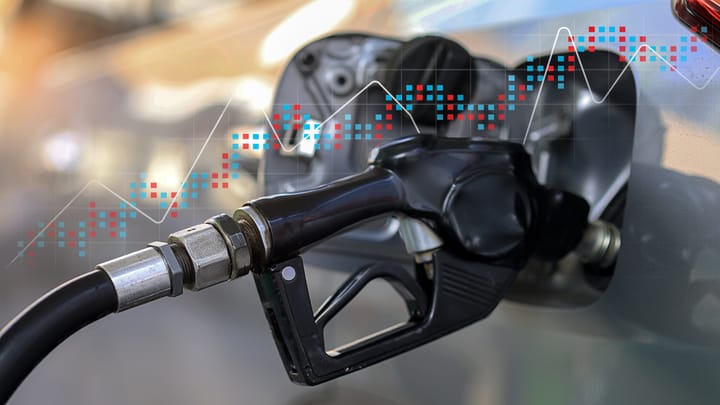
⬆️$3.897
AVG. COST OF DIESEL PER GALLON IN U.S. AS OF 03/02, UP 0.088¢
Source: U.S. Energy Information Administration

Rate rally. Spot rates are on the rise, and all-in rates have increased to their highest level in three years. A new market report from RXO delves into the facts and figures.
Driver comfort. America’s Service Line has deployed tech systems that address body vibrations and repetitive drop-and-hook strain on drivers, and the fleet is already seeing measurable results.
On the hill. We hear about new bills being introduced often, but where do they stand now? This tracker keeps an eye on the latest legislative moves.
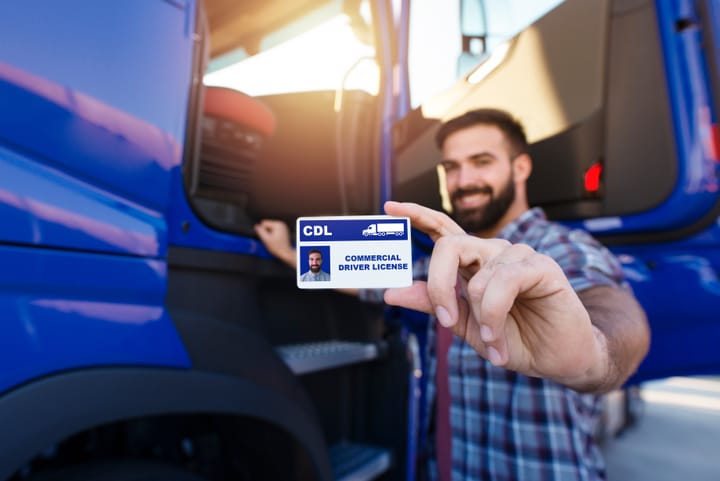
Spread the support. The nonprofit United Sikhs created a GoFundMe to support truck drivers impacted by CDL cancellations.
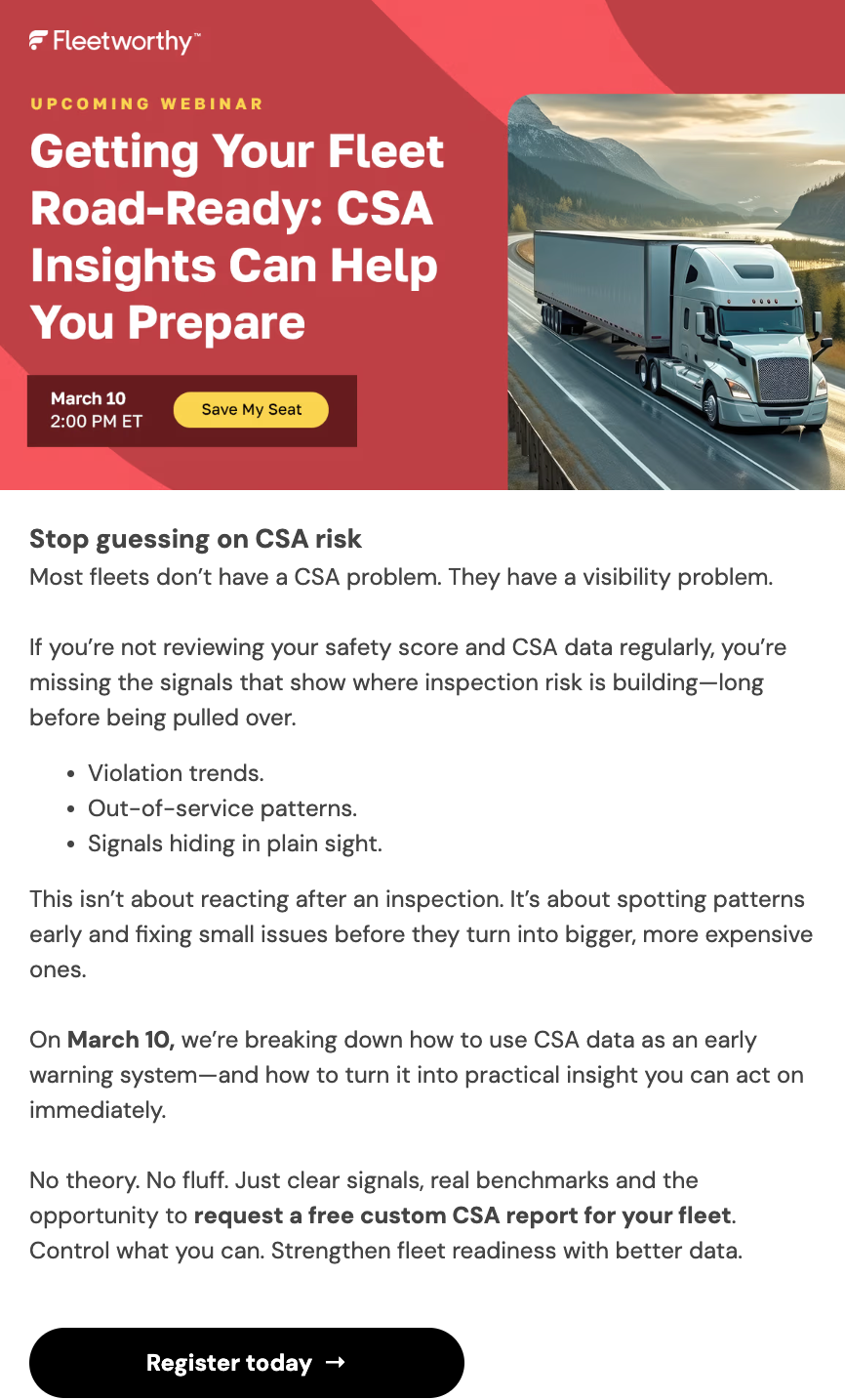
Sponsored by Fleetworthy

How to build and maintain a positive corporate image
It's no surprise that carriers with a positive brand image can attract and retain shippers. The key for carriers is to ensure there's no gap between the ideal image and the actual one, according to Mike Stanton, COO of Lily Transportation. That responsibility falls not only on the C-suite and broad corporate goals, but also on staff and day-to-day tasks.
"Your corporate image is based not only on the big things you do, but also on all the little choices your company and its employees make every day," Stanton writes.
Why this matters: Fleet managers who want to build and maintain their reputation need to ensure they're not only enforcing decisions at the C-suite level, but also training drivers, dispatchers and any other staff who could interact with customers. (CCJ Digital)

CDL CHECKS: Trump tells Congress to pass bill banning CDLs for undocumented drivers
CALIF RULING: Judge says 20K immigrant truckers can keep Calif. licenses
TARIFF REAX: Trucking groups respond to recent SCOTUS tariff decision
DOT CLEAN-UP: Sec. Sean Duffy says work "just beginning" on removing unsafe carriers
TRUCK TONNAGE: Freight tons rose slightly in Jan. after falling in Dec.
CLOSED DOORS: TGS Transportation files Ch. 7 after 40 years in biz

"I see little to no impact on trucking, given that the Section 122 tariffs are replacing the emergency tariffs basically immediately, giving no time for any kind of pull forward or any kind of avoidance.”- Avery Vise, Vice President of Trucking, FTR
In Vise's weekly trucking market update, he breaks down the impact of recent tariff changes on trucking. Just after the Supreme Court ruling, Trump declared tariffs through another mechanism—meaning there won't be a big change in duty rates for now, and shippers are unlikely to pull freight forward to beat a tariff deadline. (FTR State of Freight)

DOT's regulatory spree trickles to trucking, driver supply
The federal government focused heavily on trucking policy and regulation enforcement last year, and it's only expected to continue in 2026. CDL training centers and non-domiciled drivers have been at the center of many DOT efforts. Depending on the scope of the crackdown, trucking could start to see a capacity crunch or driver supply issue this year.
Why this matters: It's possible that motor carriers will have an even tougher time with driver recruitment if there are fewer pathways to getting a CDL. At the same time, a capacity exodus wouldn't necessarily be a bad thing for the industry, given the state of supply, demand and rates. (The Trucker)

Kodiak adopts real-time safety alerts for AVs
Autonomous trucking provider Kodiak has adopted HAAS Alert's Safety Cloud, a digital alerting platform. The cloud-based system automatically sends our real-time safety alerts to others on the road, which could pop up in compatible car systems or apps like Waze.
Why this matters: Driverless trucking technology is advancing with its number one priority in mind: safety. If the industry develops and adopts enough safety features to meet regulatory requirements and assuage the public's fears, AVs might stand a chance. (ACT News)

Thanks for reading today's edition! You can reach the newsletter team at editor@theinsidelane.co. We enjoy hearing from you.
Interested in advertising? Email us at newslettersales@mvfglobal.com
The Inside Lane is curated and written by Shefali Kapadia and edited by Bianca Prieto.

Comments ()