

Safety problems usually start in the C-suite
A fleet safety leader explains what executives miss

Safety in the trucking industry isn't a one-and-done or an item to check off a list. True safety culture requires daily reinforcement, with top leadership setting the tone for their entire organization.
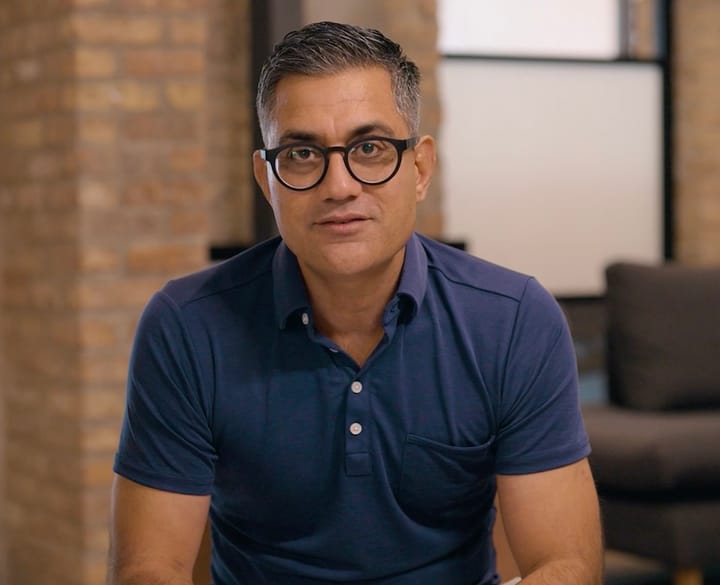
Cyndi Brandt, VP of Fleet Solutions at Descartes, works with fleets each day and can easily spot the signs of a safe trucking company. We caught up with her for her insights on motor carrier safety and how small fleets can keep their staff and drivers safe.
—Interview by Shefali Kapadia, edited by Bianca Prieto
Road safety starts well before a trucker gets in the driver's seat. What do you think is the single biggest decision at the corporate level that has a significant impact on safety?
The deliberate creation and daily reinforcement of a safety culture. Executives set the tone for the entire organization. When leaders consistently model safe behaviors, prioritize safety in decisions and hold themselves accountable, it signals that safety is a value core to the company.
This commitment must be supported by a comprehensive, proactive safety program that addresses hiring standards, training, equipment, maintenance, scheduling and data-driven risk management. An effective approach is multi-faceted and preventative, not single-threaded or purely reactive after incidents occur. Waiting to respond after something goes wrong is already too late. By embedding safety into strategy, incentives and everyday ops, an environment is created where employees feel empowered and expected to make safe choices. Ultimately, a safety culture reduces risk, protects people and supports better fleet performance.
What's one strategy fleet managers, especially those at small motor carriers, can use to address driver burnout and stress and therefore improve safety?
One effective strategy they can use is to proactively reduce daily operational pressures via smarter planning and support. Driving alone is inherently stressful, with constant exposure to traffic congestion, tight delivery windows, rising customer expectations and unsafe behavior from other (non-professional) motorists.
Over time, these stressors directly impact driver well-being and safety performance. To counter this, fleets should put programs in place that focus on prevention rather than reaction. This includes proactive safety training that keeps drivers in a safety-first mindset and the use of safety technologies, such as in-cab cameras, not for punishment but for exoneration and support.
Most importantly, fleets should design realistic trips and schedules that can be completed safely without forcing drivers to rush or cut corners. By analyzing route execution data they already collect, organizations can refine planning tools and create routes or trips that align with safety expectations, which reduces stress and improves outcomes.
Can you share an example of a fleet you've worked with that made a change in their upstream planning/decision-making and how that improved safety down the line?
One example comes from fleets that historically relied on educated guesses to estimate service time at delivery stops. In many cases, they overestimated or underestimated the time required. Underestimating service time proved especially problematic, as routes were created that had unrealistic schedules. Drivers felt pressure to rush to meet time windows and the scheduled return time. This led to unsafe driving behaviors and increased risk during physical unloading at stops. Over time, the fleet recognized that no two stops are truly the same and that service time varies based on location, customer, freight type and conditions. To address this, they began collecting execution data and using machine learning to analyze actual stop-level performance. That insight was fed back into their route planning tools, allowing them to build routes and schedules that aligned with real-world conditions and safety expectations. In parallel, they implemented both proactive and reactive safety microlearning programs. As a result, the fleet saw a measurable reduction in accidents and claims, along with improved safety training compliance.
What's one myth or outdated thought about trucking safety that you wish would disappear?
The belief that simply installing cameras or telematics devices will automatically solve safety problems. The truth is, technology alone doesn’t change behavior. Without the right structure around it, these tools frustrate drivers, become difficult to enforce and even increase liability if data is collected but not acted on consistently.
Cameras and telematics are valuable components of a modern fleet safety ecosystem, but are only one piece of a much larger strategy. True safety improvement requires setting clear expectations and follow-through. This includes a defined driver handbook that explains safety standards, a fair and consistent discipline policy and a structured process for reviewing data and turning insights into action. Equally important are strong onboarding and ongoing training programs that teach drivers how to use equipment safely and why it matters. By supporting technology with culture, policy and education, it becomes an enabler of safety.
In your work with fleets, what's a tell-tale sign that a trucking company truly cares about and has a culture of safety?
When I visit a fleet and the very first stop before touring the yard or warehouse is to grab a high-visibility vest, it conveys a lot. This simple action shows safety is ingrained in everyday behavior, not just talked about in meetings or manuals. What makes it even more meaningful is that these visits are usually led by senior leaders or executives, i.e., people who don’t wear vests or hard hats every day. Yet they still pause, set expectations and make sure everyone follows the rules. That consistency sends a powerful message: safety applies to everyone, regardless of title or role. When leaders model and enforce the basics without exception, it reinforces a genuine commitment to safety and demonstrates that it’s truly part of the company’s culture, not just a checkbox.

Thanks for reading today's edition! You can reach the newsletter team at editor@theinsidelane.co. We enjoy hearing from you.
Interested in advertising? Email us at newslettersales@mvfglobal.com
The Inside Lane is curated and written by Shefali Kapadia and edited by Bianca Prieto.


Comments ()